See This Report about Property Management Services
Table of ContentsSome Known Incorrect Statements About Property Management Services


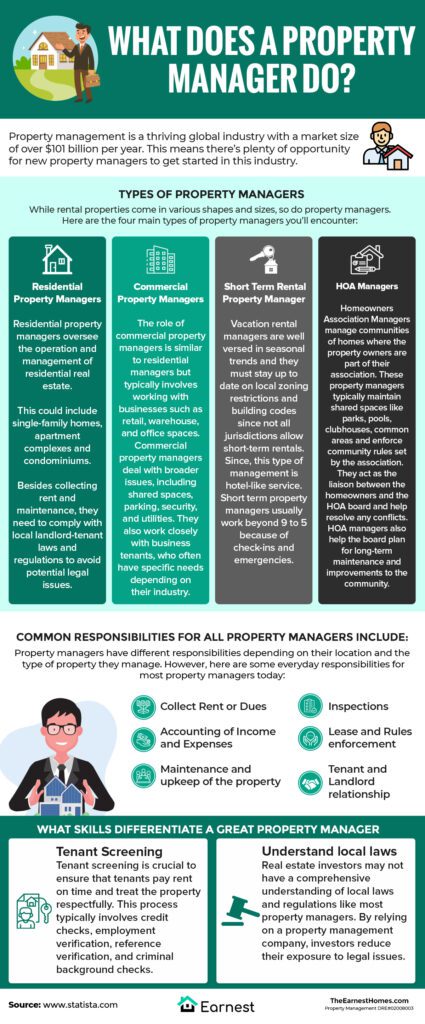
Property management professionals, additionally referred to as building supervisors, play an essential function in maintaining the worth, functionality, and productivity of genuine estate properties. They work as the intermediary between property owners and occupants, ensuring smooth procedures while guarding the financial investment. The extent of duties for building monitoring professionals is broad, covering economic, operational, legal, and strategic obligations. Recognizing these responsibilities can supply understanding into why employing proficient professionals is important for both business and domestic home owners.Financial ResponsibilitiesA core responsibility of home administration specialists is overseeing the economic aspects of a building. This starts with setting suitable rental prices by performing market analysis and understanding comparable residential or commercial property values in the area. Property supervisors evaluate regional demand, seasonal patterns, and financial variables to identify prices that are competitive yet lucrative. Proper rates makes sure high tenancy rates while making the most of profits for the residential or commercial property owner.Once prices are developed, residential property monitoring experts handle rent collection. They execute constant systems to make sure occupants pay on time, address late settlements properly, and impose lease terms when essential. Beyond rental fee collection, home supervisors are accountable for budgeting. They track expenditures such as repair work, upkeep, utilities, home tax obligations, and insurance premiums. By projecting cash money circulation and preserving exact economic documents, they offer homeowner with a clear understanding of residential or commercial property performance.Financial reporting is one more essential task. Residential or commercial property supervisors prepare monthly, quarterly, and yearly records summing up revenue, expenses, and internet operating income. These reports allow owners to make enlightened decisions regarding their financial investments. Furthermore, residential or commercial property supervisors frequently coordinate with accounting professionals or tax obligation professionals to ensure conformity with neighborhood, state, and government tax obligation policies, minimizing obligation threats for the property owner.Operational ResponsibilitiesProperty management specialists look after the daily operations necessary to preserve and boost the home's condition. Repair and maintenance are a significant part of their duties. This entails routine assessments to determine possible problems, preventative upkeep to stay clear of costly repairs, and reacting quickly to lessee upkeep demands. Residential property managers coordinate with service providers, vendors, and solution carriers to perform work successfully and within budget.Another operational job is handling lessee connections. Residential or commercial property supervisors handle requests, problems, and questions, making sure a favorable living or working setting. Efficient interaction cultivates occupant fulfillment and retention, which is critical for minimizing jobs and keeping consistent income streams. Property supervisors additionally perform comprehensive testing of potential lessees, evaluating background checks, credit report, employment verification, and rental recommendations to choose trusted occupants.Compliance with residential or commercial property policies is an important functional obligation. Building supervisors make certain that homes satisfy regional building regulations, security standards, and ease of access requirements. They stay up-to-date with changes in real estate laws, zoning regulations, and landlord-tenant legislations, guaranteeing that both the home and its administration practices remain lawful. This consists of appropriate handling of deposits, eviction procedures, and fair housing regulations.Leasing and Advertising and marketing ResponsibilitiesMarketing the building properly is one more vital task. Home management specialists produce and perform strategies to bring in renters through several channels, consisting of online listings, social media sites, signs, and traditional advertising and marketing. They craft compelling property summaries, highlight crucial facilities, and make use of expert photography to showcase the property's appeal.The leasing procedure is also handled by residential or commercial property specialists. They prepare lease agreements, describe terms and conditions to tenants, and make certain all legal paperwork is accurately completed and authorized. Lease revivals are kept track of to keep high occupancy rates, and property managers often discuss terms that profit both the owner and the occupant. By handling this process properly, residential or commercial property supervisors minimize risks connected with lawful disagreements and tenant dissatisfaction.Strategic ResponsibilitiesBeyond daily administration, property management professionals give strategic assistance to improve long-lasting building worth. They advise owners on capital improvements, restorations, and building upgrades that can raise rent potential or attract higher-quality tenants. They may conduct marketing research to identify emerging trends and opportunities for residential property growth or diversification.Risk administration is an essential tactical obligation. Home managers identify potential threats to the property's safety, economic security, or lawful standing and carry out procedures to alleviate these risks. This includes reviewing insurance policy coverage, keeping an eye on environmental risks, and imposing safety protocols. Their critical input aids homeowner safeguard and grow their financial investment portfolio over time.Administrative ResponsibilitiesProperty management entails extensive management work. Property supervisors maintain thorough documents of leases, financial purchases, maintenance demands, assessments, and renter interactions. Precise documentation sustains lawful compliance, supplies accountability, and acts as a resource in addressing or dealing with disagreements renter concerns.Additionally, home supervisors coordinate with other specialists, such as property agents, accounting professionals, lawyers, and insurance coverage service providers, to make certain seamless operations. They might also handle supplier agreements, service contracts, and purchase of supplies required for building maintenance. With these management features, residential or commercial property managers develop a organized and efficient monitoring system that benefits both home proprietors and tenants.Tenant Retention and Area ManagementA substantial aspect of home administration is occupant retention. Property managers implement techniques to guarantee occupants really feel valued and satisfied, including timely maintenance, responsive communication, and neighborhood interaction. In multi-unit or industrial residential or commercial properties, home managers may organize events or campaigns that cultivate a feeling of neighborhood, adding to renter loyalty and decreasing turnover rates (Property Management Services).They also moderate problems in between renters when conflicts occur, utilizing conflict resolution abilities to keep consistency within the home. By proactively attending to occupant worries and promoting positive partnerships, building managers reduce vacancy prices and preserve a secure revenue stream for residential or commercial property owners.Sustainability and Technology IntegrationModern building administration significantly involves sustainability practices. Residential property managers might carry out energy-efficient upgrades, water conservation systems, and eco friendly waste management methods. By promoting lasting operations, residential property managers aid decrease functional costs, boost home worth, and interest eco conscious tenants.Technology assimilation is also an expanding duty. Home monitoring software application permits supervisors to track leases, payments, maintenance demands, and interaction effectively. Automated systems simplify reporting, improve data precision, and boost the overall occupant experience. Technology also allows property managers to examine efficiency metrics and identify chances for enhancement, ensuring that the home stays affordable in the market.Emergency and Situation ManagementProperty management experts should be prepared to manage crises and emergencies. This includes natural catastrophes, fires, flooding, or other unanticipated occasions that might interfere with procedures or harm the property. Residential or commercial property managers develop emergency reaction plans, coordinate with local authorities, and guarantee that renters are informed and safe during such events. Their ability to react promptly and effectively minimizes damage and keeps lessee confidence.Legal and Governing ComplianceCompliance with neighborhood, state, and government legislations is a crucial duty. view it Residential property administration professionals guarantee that all practices comply with landlord-tenant regulations, reasonable housing policies, zoning ordinances, and safety and security codes. They take care of leases, manage evictions legally, and make certain appropriate next paperwork for all property-related transactions. Remaining notified about changing guidelines secures the homeowner from lawful conflicts, penalties, or penalties.ConclusionProperty monitoring experts put on several hats, balancing functional, financial, lawful, tactical, and administrative responsibilities. Their duty extends past easy oversight; they are indispensable to making best use of residential property value, making sure tenant satisfaction, and mitigating dangers. By handling the complexities of property operations, property managers make it possible for owners to concentrate on broader investment objectives while ensuring that buildings are efficiently preserved and profitable.From lessee screening and lease collection to advertising and marketing, maintenance, conformity, and lasting tactical preparation, residential or commercial property monitoring experts offer comprehensive services that protect and improve the worth of realty investments. Their competence is important for navigating the challenges of residential or commercial property ownership, and working with experienced building administration professionals is typically a crucial variable in achieving sustained success in the property sector.In short, residential property monitoring specialists make sure that properties are not only maintained but maximized, developing settings that are secure, well-functioning, and monetarily satisfying. Their diverse obligations require a combination of technological abilities, lawful understanding, monetary acumen, and interpersonal abilities. Ultimately, effective residential or commercial property management safeguards financial investments, maximizes returns, and adds to the long-lasting success of home owners in an increasingly competitive market.